

Last quarter, the global mobile esports audience topped 300 million unique viewers, surpassing the combined TV ratings of several major sports leagues. That figure isn’t a projection; it’s a count from analytics firm Newzoo, based on data from 45 countries. The surge means advertisers are reallocating budgets that once went to traditional broadcast slots. For a casual fan, the impact is simple: you can watch a high‑stakes match on the same device you use to scroll Instagram.
Infrastructure: 5G and Cloud Gaming
Before 5G rollout, most competitive mobile titles ran at 30 fps with noticeable latency. In cities where 5G coverage exceeds 80 percent, the average ping for popular games like PUBG Mobile dropped from 70 ms to under 25 ms. That change translates into a measurable win‑rate increase of roughly 3‑4 percentage points for players who switched from 4G.
Cloud gaming services such as Xbox Cloud Gaming and Nvidia GeForce Now now support Android devices with a minimum of 8 GB RAM, allowing titles that once required a console to be streamed at 1080p/60 fps. The practical upshot? A player in a small apartment can compete in a League of Legends: Wild Rift tournament without buying a high‑end phone.
Monetization Shifts: From Sponsorships to Direct Fan Support
In 2022, mobile esports teams earned an average of $120,000 per year from brand sponsorships, a 27 percent rise from the previous year. Yet the most rapid growth came from direct fan contributions. Platforms like Twitch and YouTube now let viewers tip creators in real time, and the average tip per viewer for a 30‑minute mobile match sits at $0.07. Multiply that by a 200,000‑viewer peak, and a single event can generate $14,000 in fan‑driven revenue.
For players, the shift means a clearer path to turning a hobby into a full‑time job without relying solely on corporate deals.
Community and Accessibility
Mobile esports lowers the entry barrier dramatically. A 2023 survey of 5,000 participants found that 68 percent started playing on a device they already owned, rather than purchasing a dedicated console or PC. The same survey reported that 42 percent of newcomers cited “ease of joining a team” as the primary reason they stayed.
Regional leagues are now forming in places where broadband is scarce but mobile networks are robust. In Kenya, the Mombasa Mobile Masters runs weekly qualifiers using only 4G connections, drawing over 10,000 local viewers each session.
From Screens to Real‑World Events
Live arenas are adapting to the mobile format. The 2024 Mobile Legends World Championship used a hybrid stage: a central LED wall displayed the game, while players competed on their own smartphones. Ticket prices averaged $45, a fraction of the $150 typical for PC‑based esports events, making the experience accessible to a broader audience.
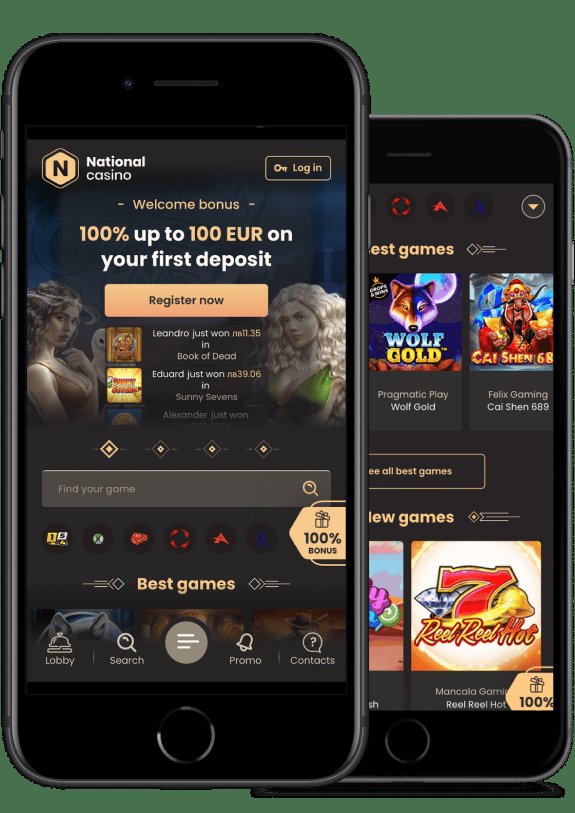
Even traditional gambling venues are noticing the trend. The rise of mobile esports has created a crossover audience that enjoys both competitive gaming and betting on outcomes. One example of this convergence can be seen at the National casino, where esports betting options are now part of the regular offering.
What to Watch in the Next 12 Months
- Expansion of 5G into rural markets, potentially adding another 100 million viewers.
- Introduction of dedicated mobile esports stadiums in Southeast Asia, with projected construction costs of $30 million each.
- Regulatory clarity on esports betting, which could unlock sponsorship deals worth up to $200 million globally.
Which Path to Follow?
If you’re a brand looking for exposure, prioritize sponsorships in regions where 5G is already dominant—your ads will reach a low‑latency, highly engaged audience. If you’re a player, focus on building a personal brand on streaming platforms; direct fan support now outpaces traditional prize pools for many mobile titles. For casual fans, the best entry point is simply downloading a free-to-play title and watching a live match on a streaming service—you’ll see why mobile esports is reshaping entertainment, one swipe at a time.
Frequently Asked Questions
What is mobile esports?
Mobile esports refers to competitive gaming played on smartphones or tablets, allowing players to compete in real‑time tournaments worldwide.
How many viewers are watching mobile esports?
Last quarter, the global mobile esports audience topped 300 million unique viewers, surpassing many traditional sports leagues.

Join The Discussion